
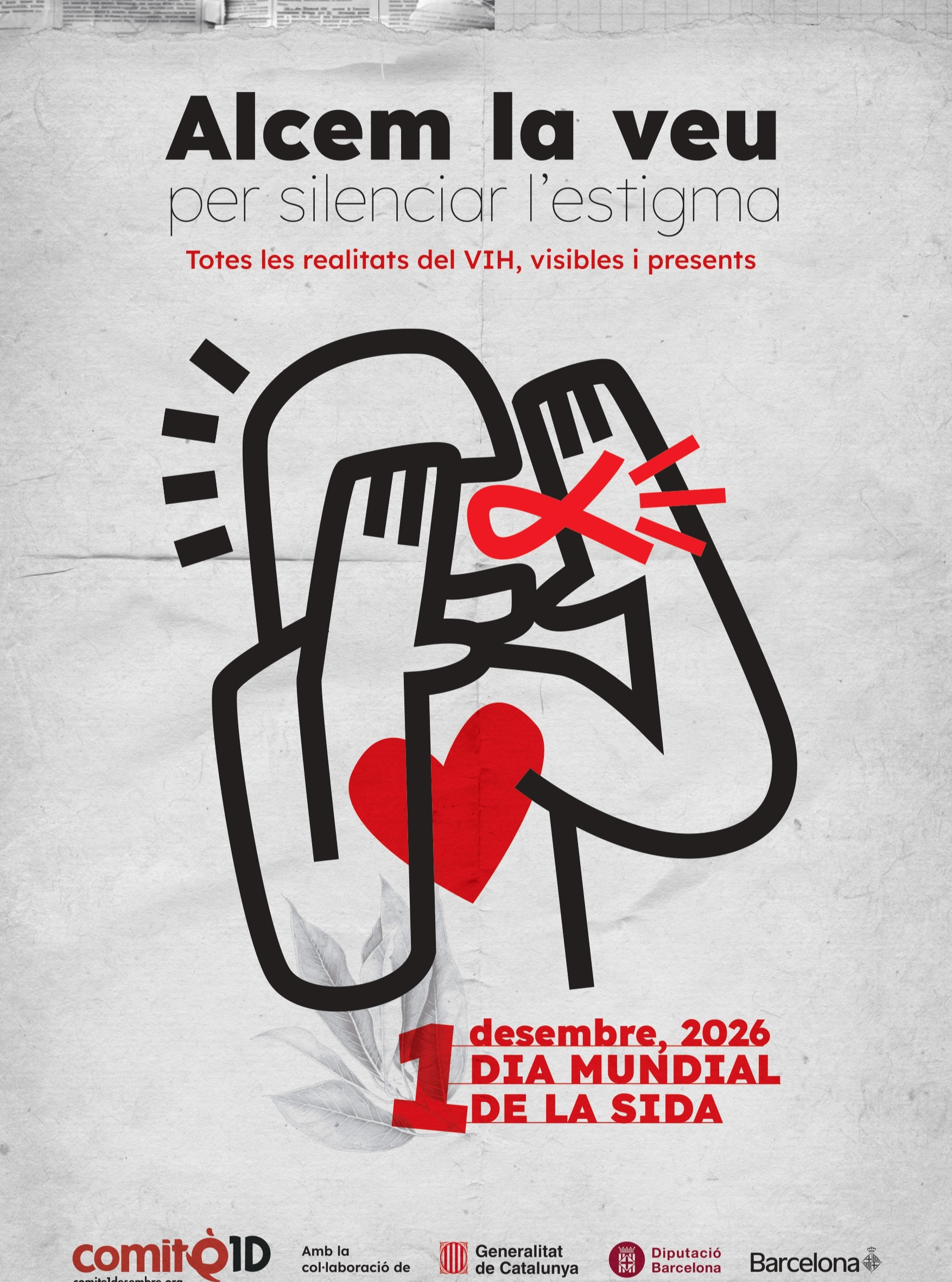
🎗️ A Brief History: From Crisis to Community Resilience In the early 1980s, medical professionals identified the first cases of what would soon become known as Acquired Immunodeficiency Syndrome (AIDS), caused by the Human Immunodeficiency Virus (HIV). During those initial years, a lack of scientific knowledge, the absence of effective treatments, and intense social stigma deeply impacted the LGBTQ+ community, turning a public health emergency into a profound human rights crisis. Yet in the face of fear and institutional neglect, one of the most powerful grassroots movements in modern history emerged. Activists, peer-support networks, and community organizations—including historic associations in Barcelona and around the globe—fought tirelessly for research, treatment access, and dignity. In 1988, the World Health Organization established December 1st as World AIDS Day to unite global efforts, honor those we lost, and combat discrimination. Today, thanks to medical breakthroughs and antiretroviral therapy, HIV is a manageable chronic condition backed by a vital scientific truth: Undetectable = Untransmittable (U=U). Still, our work is far from over, as social stigma often weighs heavier than the virus itself. 🎨 World AIDS Day 2026: Making Every Reality Visible This December 1, 2026, the commemorative campaign centers on an essential message: making every reality of HIV visible. Bringing this message to life is an evocative poster created by artist Nac Bremón (@nac_boi), whose sensitivity and artistic vision capture the diverse experiences that too often remain unseen: Women, trans individuals, and migrants. Older adults aging with HIV. People with disabilities and countless other lived experiences that deserve voice, visibility, recognition, and active participation. Because every reality counts, and no one should ever be left behind.